
Introduction
Engines are the heart of modern machinery, powering everything from automobiles and industrial equipment to generators and marine vessels. Over time, engines face wear and tear, efficiency losses, and performance issues that can affect their functionality. This is where engine solutions come into play. Engine solutions refer to a wide range of services, technologies, and practices designed to optimize engine performance, extend lifespan, and ensure reliability. From routine maintenance to advanced technological upgrades, these solutions play a critical role in keeping engines running smoothly.
Understanding Engine Problems
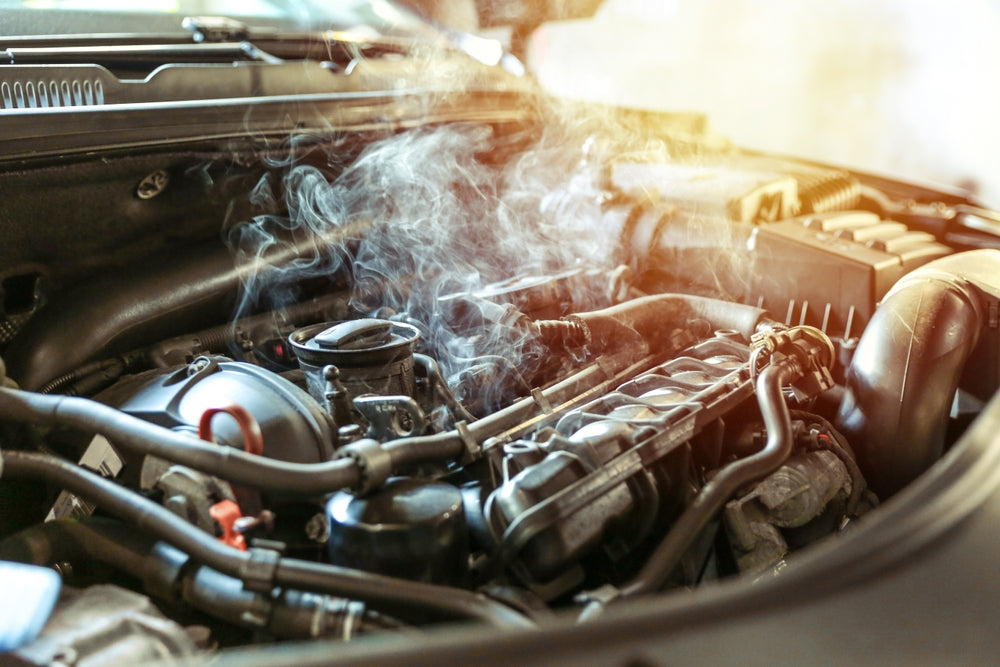
Before diving into solutions, it is important to understand the common problems engines face. These issues can arise due to poor maintenance, low-quality fuel, or natural degradation over time. Common engine problems include overheating, excessive fuel consumption, unusual noises, loss of power, and increased emissions.
Overheating often results from cooling system failures, while high fuel consumption may indicate inefficient combustion. Similarly, strange noises could be a sign of worn-out components such as bearings or pistons. Identifying these problems early is essential for applying the right engine solutions and preventing costly repairs.
Importance of Engine Solutions
Engine solutions are essential for maintaining optimal performance and avoiding unexpected breakdowns. Regular maintenance and timely interventions not only improve engine efficiency but also reduce environmental impact. Efficient engines consume less fuel and produce fewer emissions, contributing to sustainability.
Moreover, proper engine care enhances safety. A poorly maintained engine can fail unexpectedly, leading to dangerous situations, especially in vehicles. By implementing effective engine solutions, users can ensure reliability, cost savings, and peace of mind.
Preventive Maintenance
One of the most effective engine solutions is preventive maintenance. This involves routine inspections and servicing to detect potential issues before they become serious problems. Preventive maintenance includes oil changes, air filter replacements, spark plug checks, and coolant level monitoring.
Regular oil changes are crucial because engine oil lubricates moving parts and reduces friction. Over time, oil becomes contaminated and loses its effectiveness. Similarly, clean air filters ensure proper airflow, which is essential for efficient combustion. By following a consistent maintenance schedule, engine performance can be significantly improved.
Engine Diagnostics and Monitoring
Modern engines are equipped with advanced diagnostic systems that help identify problems quickly. Engine diagnostics involve using specialized tools and software to analyze engine performance and detect faults. These systems can monitor parameters such as fuel injection, ignition timing, and exhaust emissions.
Onboard diagnostics (OBD) systems, for example, provide real-time data and error codes that help technicians pinpoint issues accurately. This reduces the time required for troubleshooting and ensures that the right solutions are applied. Engine monitoring also allows for predictive maintenance, where potential failures are addressed before they occur.
Fuel Efficiency Solutions
Improving fuel efficiency is a major focus of engine solutions. High fuel consumption not only increases operational costs but also contributes to environmental pollution. Several techniques can enhance fuel efficiency, including proper engine tuning, use of high-quality fuel, and maintaining correct tire pressure in vehicles.
Engine tuning involves adjusting parameters such as air-fuel ratio and ignition timing to achieve optimal combustion. Additionally, fuel additives can help clean fuel injectors and improve performance. Adopting efficient driving habits, such as avoiding rapid acceleration and maintaining steady speeds, also plays a role in fuel conservation.
Engine Repair and Overhaul
When engines experience significant wear or damage, repair or overhaul becomes necessary. Engine repair involves fixing specific components, such as replacing worn-out pistons, valves, or gaskets. In contrast, an engine overhaul is a comprehensive process where the engine is disassembled, inspected, and rebuilt.
Overhauling restores the engine to near-original condition and can significantly extend its lifespan. This process includes cleaning all components, replacing damaged parts, and reassembling the engine with precision. Although it can be costly, an overhaul is often more economical than replacing the entire engine.
Advanced Engine Technologies
Technological advancements have introduced innovative engine solutions that enhance performance and efficiency. Modern engines now feature technologies such as turbocharging, direct fuel injection, and hybrid systems.
Turbocharging increases engine power by forcing more air into the combustion chamber, resulting in better performance without increasing engine size. Direct fuel injection improves fuel efficiency by delivering fuel directly into the combustion chamber with precision. Hybrid engines combine internal combustion engines with electric motors, reducing fuel consumption and emissions.
These advancements demonstrate how technology is transforming engine solutions and making engines more efficient and environmentally friendly.
Environmental Considerations
Engine solutions also play a vital role in reducing environmental impact. Emissions from engines contribute to air pollution and climate change. To address this, modern engines are designed with emission control systems such as catalytic converters and exhaust gas recirculation (EGR) systems.
Regular maintenance ensures that these systems function properly, minimizing harmful emissions. Additionally, the use of cleaner fuels and alternative energy sources, such as biofuels and electricity, is becoming increasingly popular. By adopting eco-friendly engine solutions, industries and individuals can contribute to a healthier environment.
Choosing the Right Engine Solutions
Selecting the appropriate engine solutions depends on several factors, including the type of engine, usage, and budget. For instance, a vehicle engine requires different solutions compared to an industrial engine. It is important to consult qualified professionals who can assess the engine’s condition and recommend suitable solutions.
Using genuine parts and high-quality lubricants is also essential for ensuring long-term performance. Cheap or counterfeit components may save money initially but can lead to severe damage in the long run. Investing in reliable engine solutions ultimately results in better efficiency and reduced maintenance costs.
Future of Engine Solutions
The future of engine solutions is closely tied to technological innovation and sustainability. With the growing demand for energy efficiency and environmental protection, the automotive and industrial sectors are shifting toward cleaner and smarter technologies.
Electric and hydrogen-powered engines are gaining popularity as alternatives to traditional internal combustion engines. Additionally, advancements in artificial intelligence and the Internet of Things (IoT) are enabling smarter engine monitoring and maintenance systems. These technologies allow for real-time data analysis and automated diagnostics, improving efficiency and reducing downtime.
As the industry evolves, engine solutions will continue to focus on sustainability, performance optimization, and cost-effectiveness.
Conclusion
Engine solutions are essential for maintaining the performance, efficiency, and reliability of engines across various applications. From preventive maintenance and diagnostics to advanced technologies and environmental considerations, these solutions address a wide range of challenges.
By understanding common engine problems and implementing effective solutions, users can extend the lifespan of their engines and reduce operational costs. As technology continues to advance, the future of engine solutions looks promising, with a strong emphasis on sustainability and innovation. Investing in proper engine care today ensures better performance and a more efficient tomorrow.
For more information.
0




Leave a Reply