
The Story Behind Cuban Bistro Restaurants and Their Cultural Roots
Introduction: More Than Just a Restaurant
A Cuban Bistro restaurant is not just a place to eat—it is a reflection of Cuba’s history, culture, and identity. Every dish served https://cubanbistrorestaurant.com/ inside a Cuban bistro carries stories of migration, family traditions, and cultural blending. To truly understand Cuban cuisine, you need to understand where it comes from.
🇨🇺 The Origins of Cuban Cuisine
Cuban cuisine developed over centuries, shaped by different cultures that influenced the island. The main roots come from:
- Spanish settlers who brought rice, pork, and cooking techniques
- African traditions introduced through enslaved people, contributing spices and cooking methods
- Caribbean influences that added tropical ingredients like plantains and citrus fruits
This combination created a unique culinary identity that is rich, diverse, and deeply flavorful.
🍽️ From Home Kitchens to Bistro Restaurants
Originally, Cuban food was prepared in home kitchens, passed down from generation to generation. Families cooked large meals meant for sharing, especially during gatherings and celebrations.
As Cuban communities migrated around the world—especially to the United States—these traditional recipes traveled with them. Small family-owned restaurants began opening, serving homemade Cuban meals to local communities. Over time, these evolved into what we now call Cuban Bistro restaurants.
🏠 The Meaning of “Bistro” Style
The word “bistro” usually refers to a casual, small restaurant with a cozy atmosphere. When combined with Cuban cuisine, it creates a dining experience that feels:
- Warm and family-friendly
- Simple but authentic
- Focused on comfort food
Cuban bistros are designed to feel like eating in someone’s home kitchen, not a formal restaurant.
🎶 Culture on the Plate
Every dish in a Cuban bistro represents Cuban culture. Food is not just about taste—it is about memory and tradition.
For example:
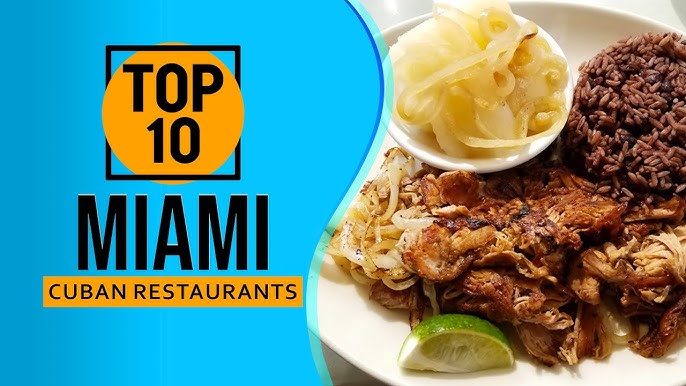
- Ropa vieja reflects slow cooking traditions passed through generations
- Lechón asado is often prepared for celebrations and family gatherings
- Black beans and rice symbolize everyday comfort and survival
Even the way food is served—large portions meant for sharing—reflects the importance of family in Cuban culture.
🌎 Cuban Food Around the World
As Cuban communities spread globally, so did their cuisine. Today, Cuban Bistro restaurants can be found in many countries. Each one tries to preserve the original flavors while adapting to local ingredients and tastes.
Despite small changes, the heart of Cuban cooking remains the same:
simple ingredients, bold flavors, and strong cultural identity.
❤️ Why the Story Matters
Understanding the story behind Cuban bistros makes the food even more meaningful. You are not just eating a sandwich or a plate of rice—you are experiencing a piece of history shaped by generations of culture, struggle, and celebration.
Conclusion: A Living Tradition
Cuban Bistro restaurants are living reminders of Cuba’s rich cultural journey. They keep traditions alive while sharing them with the world in a warm, accessible way.
Every plate served is more than food—it is a story of heritage, family, and identity passed from one generation to the next.
0




Leave a Reply