
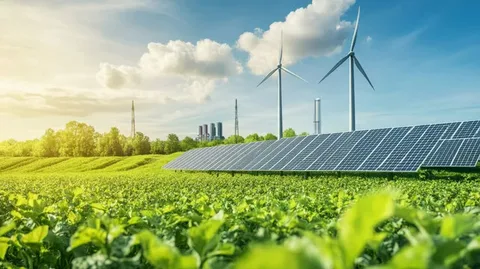
Green energy manufacturing is becoming a cornerstone of the modern industrial economy as countries and corporations accelerate their shift toward sustainable production systems. It focuses on producing renewable energy technologies such as solar panels, wind turbines, batteries, and hydrogen systems with minimal environmental impact. This transformation is driven by the urgent need to reduce carbon emissions and slow down climate change.
As industries evolve, manufacturers are integrating cleaner energy sources and sustainable materials into their production lines. This shift is not only environmental but also economic, as companies seek long-term cost savings and compliance with stricter regulations.
- Increasing global demand for renewable energy technologies
- Shift from fossil-fuel-based manufacturing to clean production systems
- Government incentives supporting sustainable industrial growth
- Expansion of green supply chains across multiple sectors
The growth of green energy manufacturing is also influenced by technological innovation. Advanced automation, energy-efficient machinery, and smart factory systems are making production more sustainable and cost-effective.
At the same time, international agreements such as the Paris Climate Accord are pushing industries to commit to net zero targets, further accelerating adoption.
Key Technologies Driving Sustainable Manufacturing
Technological innovation plays a central role in green energy manufacturing, enabling industries to reduce waste, energy consumption, and carbon emissions. Smart grids, AI-powered production systems, and energy-efficient equipment are transforming traditional factories into sustainable production hubs.
These technologies allow manufacturers to monitor energy usage in real time, optimize production processes, and reduce unnecessary resource consumption. As a result, industries can significantly lower their environmental footprint while maintaining productivity.
- AI-driven energy optimization systems
- Renewable-powered factory operations (solar, wind, hydro)
- Smart sensors for real-time efficiency monitoring
- Energy-efficient robotics and automation systems
Another important innovation is the use of advanced materials such as recycled metals and bio-based composites. These materials reduce dependency on virgin resources and support circular economy principles.
Battery storage technology and hydrogen fuel systems are also enabling factories to operate with greater energy independence and reduced emissions.
Role of Renewable Energy in Industrial Transformation
Renewable energy is at the heart of green energy manufacturing, powering factories with cleaner alternatives to fossil fuels. Solar panels, wind farms, and hydroelectric systems are increasingly being integrated into industrial operations to ensure sustainable production.
This transition is essential for reducing greenhouse gas emissions and achieving global net zero targets. By replacing coal and natural gas with renewable sources, manufacturers can significantly reduce their environmental impact.
- Solar-powered manufacturing plants
- Wind energy integration in industrial zones
- Hydropower for large-scale production facilities
- Hybrid energy systems combining multiple renewables
Industries adopting renewable energy are also benefiting from long-term cost reductions. Although initial setup costs can be high, operational savings and energy independence make renewables a smart investment.
Furthermore, renewable energy enhances brand reputation and helps companies meet environmental, social, and governance (ESG) standards.
Challenges in Achieving Net Zero Through Manufacturing
Despite its benefits, the transition to green energy manufacturing comes with significant challenges. High initial investment costs, infrastructure limitations, and supply chain complexities can slow down adoption.
Many industries also face technical barriers in integrating renewable energy systems into existing production facilities. Upgrading outdated infrastructure requires time, expertise, and financial commitment.
- High setup and modernization costs
- Limited access to advanced green technologies in developing regions
- Supply chain disruptions during transition periods
- Technical integration issues with legacy systems
Another major challenge is ensuring a stable energy supply from renewable sources, which can be intermittent. This requires investment in energy storage solutions and grid modernization.
Additionally, workforce training is essential, as employees must adapt to new technologies and sustainability-focused manufacturing practices.
The Future of Green Energy Manufacturing
The future of green energy manufacturing is closely tied to innovation, policy support, and global cooperation. As technology continues to advance, manufacturing processes will become more efficient, automated, and environmentally friendly.
Net zero emissions goals are pushing industries toward complete decarbonization, encouraging widespread adoption of clean energy systems and circular production models.
- Expansion of carbon-neutral factories
- Growth of circular economy manufacturing systems
- Increased investment in clean energy R&D
- Global collaboration on sustainability standards
In the coming years, artificial intelligence, machine learning, and advanced robotics will further optimize energy use in factories. This will help reduce waste and improve sustainability across entire production networks.
Governments and private sectors will continue to collaborate, ensuring that green energy manufacturing becomes the global standard rather than an exception.
Conclusion
Green energy manufacturing represents a critical pathway toward achieving net zero emissions and building a more sustainable industrial future. By integrating renewable energy, advanced technologies, and eco-friendly materials, industries can significantly reduce their environmental impact while maintaining productivity and competitiveness.
Although challenges such as cost and infrastructure remain, continuous innovation and global cooperation are making the transition more achievable. As adoption increases, green energy manufacturing will play a defining role in shaping a cleaner, more resilient global economy.
0