
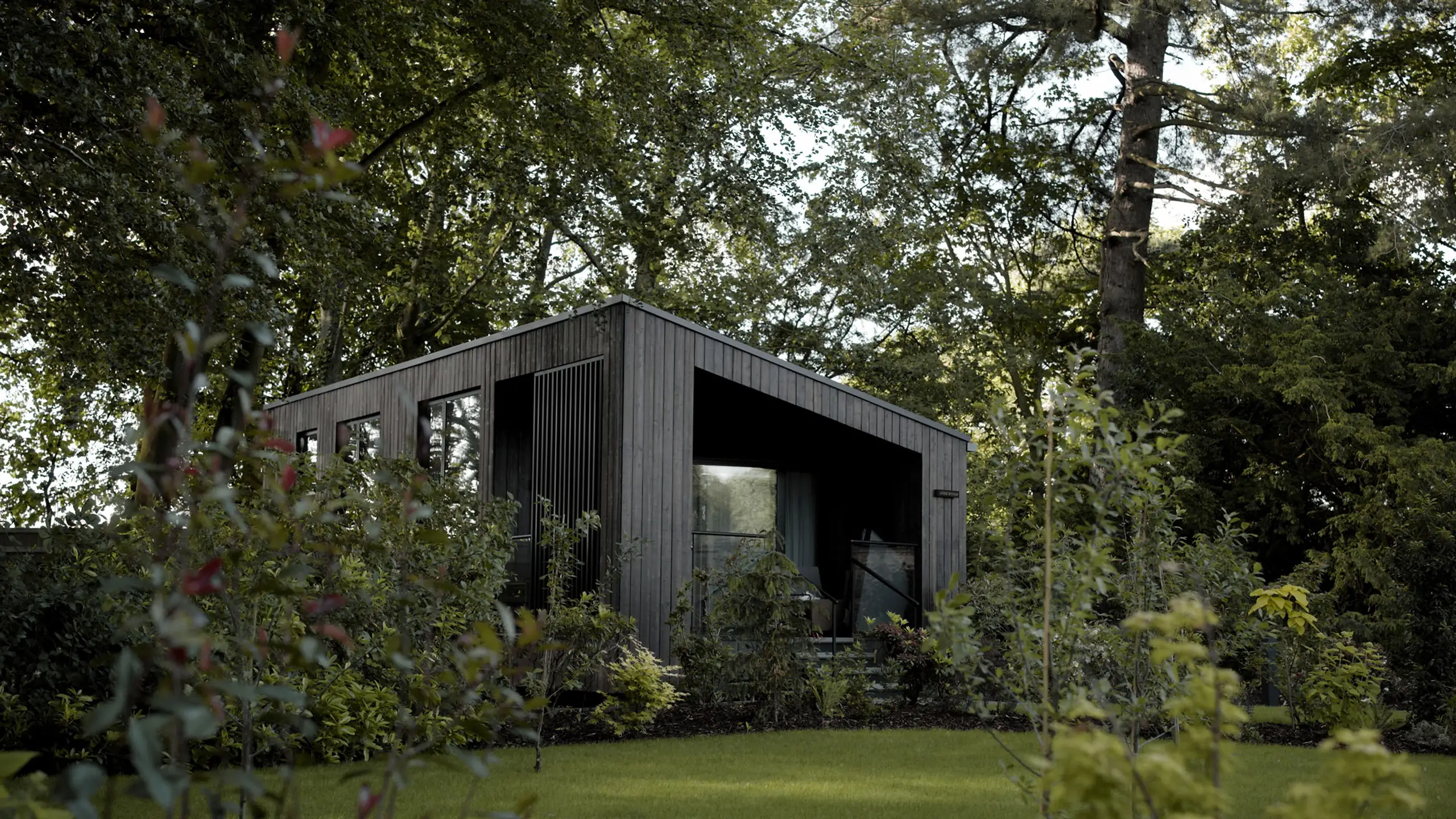
Beyond the Capital: Why Lancashire’s Moor Hall is the UK’s Ultimate Dining Destination
For the longest time, Londoners have operated under the bizarre delusion that anything past the M25 motorway is a desolate wasteland where people survive solely on gray gravy and hope. Well, Mark Birchall and the team at Moor Hall in Lancashire have officially shattered that myth with a mallet. Located in a stunning Grade II listed building that looks like it belongs in a period drama where everyone dies of a mysterious cough, Moor Hall has become the “Ultimate Dining Destination” by proving that the North doesn’t just do food—it does it better.
“A Garden on a Plate (and a Barn in the Back)”
Walking into Moor Hall isn’t like walking into a restaurant; it’s like entering a very high-end cult where the deity is a homegrown radish. Everything here is about the land. If they haven’t grown it, foraged it, or had a long, meaningful https://theoldmillwroxham.com/ conversation with the person who raised it, it probably isn’t on the menu. The sheer audacity of producing food this refined in the middle of the Lancashire countryside is enough to make a city-slicker weep into their overpriced avocado toast. It’s rural, it’s rugged, and it’s remarkably sophisticated.
The Art of the “Gentle Flex”
The genius of Moor Hall lies in its lack of pretension. Despite having more awards than a valedictorian, the service is genuinely warm. You won’t find the “I’m doing you a favor by letting you eat here” attitude often found in London’s Michelin-starred haunts. Instead, you get world-class gastronomy served with a side of Northern hospitality. They don’t need to shout about being the best because the carrots speak for themselves (figuratively, of course; if the carrots actually start talking, you’ve probably had too much of their excellent wine pairings).
Discussion Topic: The Great Regional Migration
With Moor Hall leading the charge, the center of the UK’s culinary gravity is clearly shifting. People are now willing to hop on a train for three hours just to eat a specific type of fermented kale. This brings us to a spicy debate: Is “Regional Dining” now superior to London’s food scene because of the direct access to produce? Or does London still hold the crown because of its sheer variety? If you had one final meal, would you have it in a shimmering skyscraper in the capital or in a beautifully restored barn in Lancashire?
0