
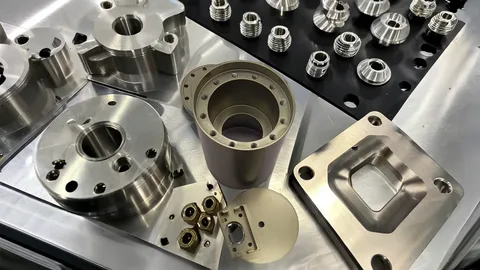
Producing cnc machined stainless steel parts involves a combination of precision engineering, advanced machinery, and material expertise. While CNC machining offers exceptional accuracy and repeatability, the cost structure behind it can vary widely depending on several key factors. Understanding these cost drivers helps manufacturers, engineers, and buyers make informed decisions and optimize production efficiency.
This article explores the most important cost factors involved in manufacturing cnc machined stainless steel parts, breaking them down into practical insights for better planning and budgeting.
Material Selection and Grade
The choice of stainless steel grade plays a crucial role in determining the cost of cnc machined stainless steel parts. Stainless steel comes in various grades such as 304, 316, and 17-4 PH, each offering different levels of corrosion resistance, strength, and machinability. Higher-grade materials typically cost more due to their enhanced properties and specialized applications.
Additionally, some stainless steel grades are more difficult to machine, requiring specialized tools and slower cutting speeds. This increases machining time and tool wear, further raising production costs. Selecting the right balance between performance and cost is essential to avoid unnecessary expenses.
Key considerations include:
- Type and grade of stainless steel used
- Availability and market price fluctuations
- Material hardness and machinability
- Waste and scrap generated during machining
Complexity of Design and Geometry
The complexity of a part’s design significantly impacts the cost of cnc machined stainless steel parts. Simple geometries are easier and faster to machine, whereas intricate designs with tight tolerances, deep cavities, or complex contours require advanced programming and multiple machining operations.
Complex designs may also necessitate multi-axis CNC machines, which are more expensive to operate. Furthermore, intricate parts often require additional setup time and quality checks, adding to the overall cost.
Factors affecting design complexity costs:
- Number of features and intricate details
- Tight tolerances and precision requirements
- Need for multi-axis machining
- Additional programming and setup time
Machining Time and Labor Costs
Machining time is one of the most significant contributors to the cost of cnc machined stainless steel parts. The longer a machine runs to produce a part, the higher the cost. Stainless steel is generally tougher to machine than softer metals, which increases cycle time and tool wear.
Labor costs also play a role, especially when skilled machinists are required to operate advanced CNC machines or handle complex setups. Although automation reduces manual intervention, experienced professionals are still essential for programming, monitoring, and quality assurance.
Key elements influencing machining and labor costs:
- Cycle time per part
- Machine hourly rates
- Skill level of operators
- Setup and changeover time
Tooling and Equipment Expenses
Tooling costs are another important factor in producing cnc machined stainless steel parts. Stainless steel’s hardness leads to faster tool wear, meaning cutting tools must be replaced more frequently. High-quality carbide or coated tools are often required, which adds to the expense.
In addition to tooling, the type of CNC equipment used also impacts costs. Advanced machines with higher precision and multi-axis capabilities have higher operational and maintenance costs. However, they can improve efficiency and reduce errors, balancing out the investment over time.
Tooling and equipment cost drivers include:
- Type and quality of cutting tools
- Tool wear and replacement frequency
- Machine maintenance and depreciation
- Use of specialized CNC machines
Finishing Processes and Post-Production
After machining, many cnc machined stainless steel parts require finishing processes to meet functional or aesthetic requirements. These processes may include polishing, passivation, coating, or heat treatment, each adding to the overall production cost.
Post-production steps such as inspection, packaging, and transportation also contribute to the final price. High-quality standards, especially in industries like aerospace or medical, demand rigorous testing and certification, which further increases costs.
Common finishing and post-production cost factors:
- Surface finishing requirements (polishing, coating)
- Heat treatment or passivation processes
- Quality inspection and testing
- Packaging and logistics
Conclusion
Understanding the cost factors involved in producing cnc machined stainless steel parts is essential for effective project planning and cost control. From material selection and design complexity to machining time, tooling, and finishing processes, each element plays a critical role in determining the final price.
By carefully evaluating these factors, manufacturers can optimize production processes, reduce waste, and improve overall efficiency. Whether you are a buyer or a producer, a clear understanding of these cost drivers will help you achieve the best balance between quality and affordability in cnc machined stainless steel parts production.
0