
Xanax 1mg is widely recognized for its calming and sedative properties, often prescribed to manage anxiety and panic-related conditions. When Xanax 1mg enters the body, it works by slowing down brain activity, which can directly influence how stimulating medications are perceived. This raises an important question about whether it can dampen or alter the energizing effects of stimulant-based treatments.
At the same time, stimulant medications are designed to increase alertness, focus, and mental clarity. When Xanax 1mg is taken alongside such stimulants, the interaction can lead to a complex balance between sedation and stimulation. Understanding how Xanax 1mg influences these effects is essential for evaluating both performance outcomes and overall safety.
How Does Xanax 1mg Influence Brain Activity?
Xanax 1mg primarily affects the central nervous system by enhancing inhibitory neurotransmission. This leads to reduced neuronal firing, which translates into decreased anxiety, slower thought patterns, and a sense of calm. These effects can significantly shape how the brain responds to external stimuli and internal signals.
Because Xanax 1mg reduces excitability in the brain, it may interfere with the intensity of stimulant-induced alertness. Instead of experiencing heightened focus, some individuals may feel a more balanced or even subdued mental state when both types of medications are present.
What Mechanisms Drive Xanax 1mg Effects?
The pharmacological action of Xanax 1mg centers around its interaction with GABA receptors. By increasing the effectiveness of this inhibitory neurotransmitter, it suppresses excessive neural activity and promotes relaxation throughout the brain.
This mechanism contrasts sharply with stimulants, which aim to increase neural signaling. When these opposing forces coexist, the brain does not simply switch between states but instead processes both signals simultaneously, leading to nuanced and sometimes unpredictable outcomes.
Does Xanax 1mg Reduce Mental Stimulation?
Xanax 1mg can reduce perceived mental stimulation by dampening heightened neural activity. Users may notice less intensity in focus or motivation, especially if the sedative effects are strong.
However, this reduction is not uniform for everyone. Some individuals may still feel alert but less anxious, suggesting that the interaction can vary depending on dosage, tolerance, and individual neurochemistry.
How Does Adderall 30mg Sandoz Respond to Xanax 1mg?
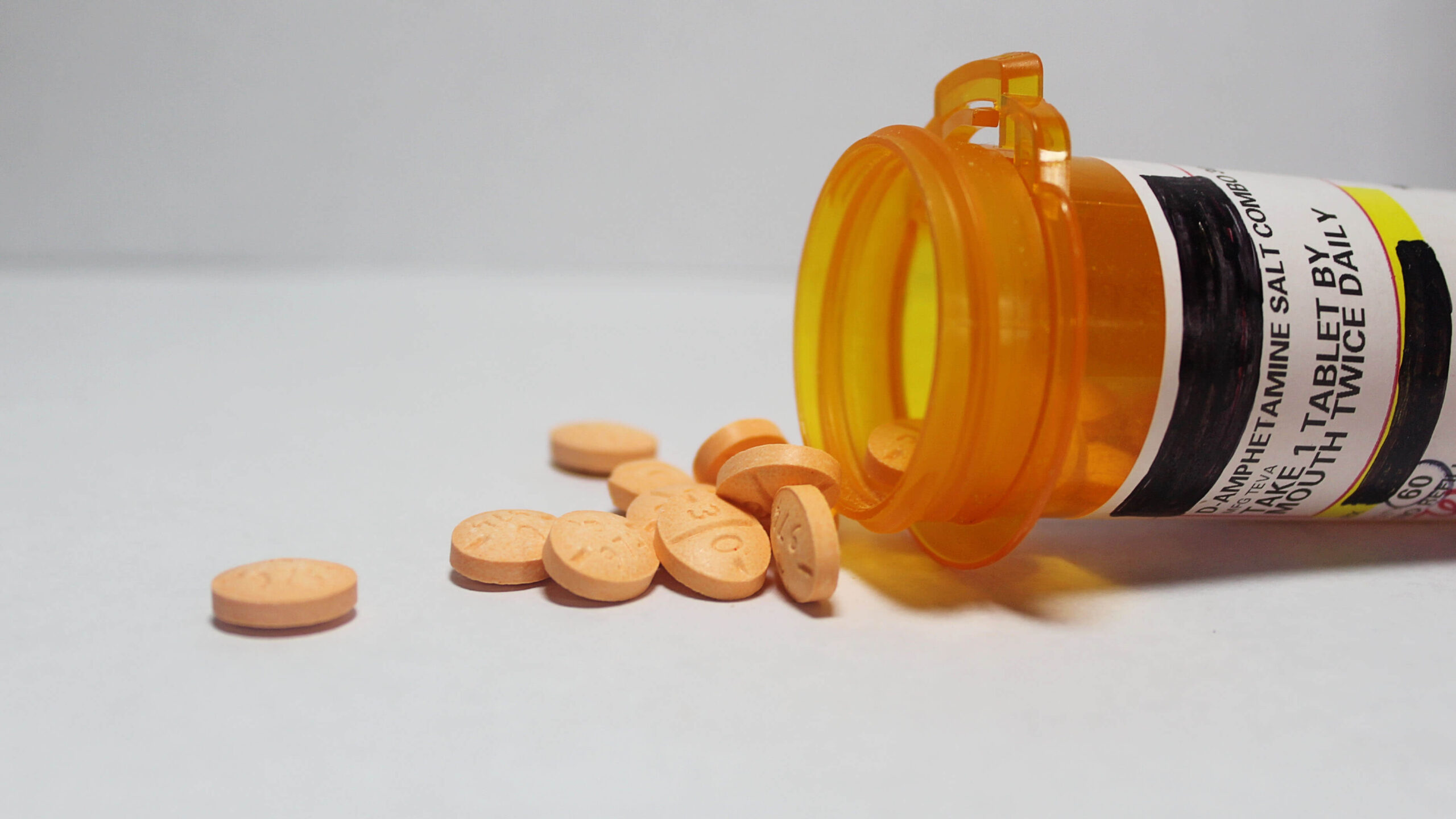
When Adderall 30mg Sandoz is introduced into the system, it works to increase dopamine and norepinephrine levels, enhancing alertness and concentration. The presence of Xanax 1mg may soften these stimulating effects.
In this interaction, Adderall 30mg Sandoz, Adderall 30mg Sandoz, and Adderall 30mg Sandoz may still promote focus, but the intensity can feel reduced or more controlled. This can be beneficial in some cases but may also limit the intended therapeutic effect of the stimulant.
What Happens When Xanax 1mg and Stimulants Are Combined?
Combining Xanax 1mg with stimulants creates a dual-action scenario in the body. One medication works to calm the nervous system, while the other attempts to activate it. This simultaneous influence can result in a mixed physiological and psychological response.
Some users report feeling more stable when both effects are balanced, particularly if anxiety interferes with focus. However, others may experience confusion, reduced clarity, or inconsistent energy levels due to the competing signals being processed by the brain.
Can the Effects Cancel Each Other Out?
It is a misconception that depressants and stimulants simply cancel each other out. Xanax 1mg continues to exert its calming influence even when stimulants are present, and the stimulant continues to enhance alertness.
Instead of cancellation, the interaction produces a blended effect. This can sometimes mask the true intensity of each medication, making it harder to gauge how strongly either one is working.
What Are the Cognitive and Physical Effects?
The combined use of Xanax 1mg and stimulants can influence both mental and physical performance. Cognitively, individuals may feel calmer but less sharp, or focused but emotionally subdued.
Physically, the body may experience conflicting signals, such as increased heart rate alongside muscle relaxation. These mixed responses highlight the importance of understanding how each medication contributes to the overall effect.
Are There Risks to Stimulation Levels?
Using Xanax 1mg in combination with stimulants introduces certain risks, particularly in how stimulation is regulated. While some balance may be achieved, there is also potential for unintended side effects.
The interaction can make it difficult to determine appropriate dosing, as one medication may mask the side effects of the other. This can lead to overuse or reliance on both medications to maintain a desired state.
Does Tolerance Affect the Interaction?
Tolerance plays a significant role in how Xanax 1mg impacts stimulation. Over time, the body may adapt to its sedative effects, potentially reducing its influence on stimulant activity.
As tolerance develops, individuals may adjust their intake, which can further complicate the interaction. This dynamic underscores the need for careful monitoring and medical guidance.
How Important Is Medical Supervision?
Medical supervision is critical when combining Xanax 1mg with stimulant medications. Healthcare providers can assess individual needs, adjust dosages, and monitor for adverse effects.
Without proper oversight, the risks associated with this combination increase. Professional guidance ensures that both medications are used safely and effectively, minimizing potential complications.
Final Thoughts
The relationship between Xanax 1mg and stimulant medications is complex and influenced by multiple factors, including dosage, timing, and individual physiology. While Xanax 1mg can soften or alter stimulation levels, it does not eliminate the effects of stimulants entirely.
Understanding this interaction is essential for making informed decisions about use. With proper medical guidance and awareness, individuals can better navigate the balance between calming and stimulating effects while reducing potential risks.