
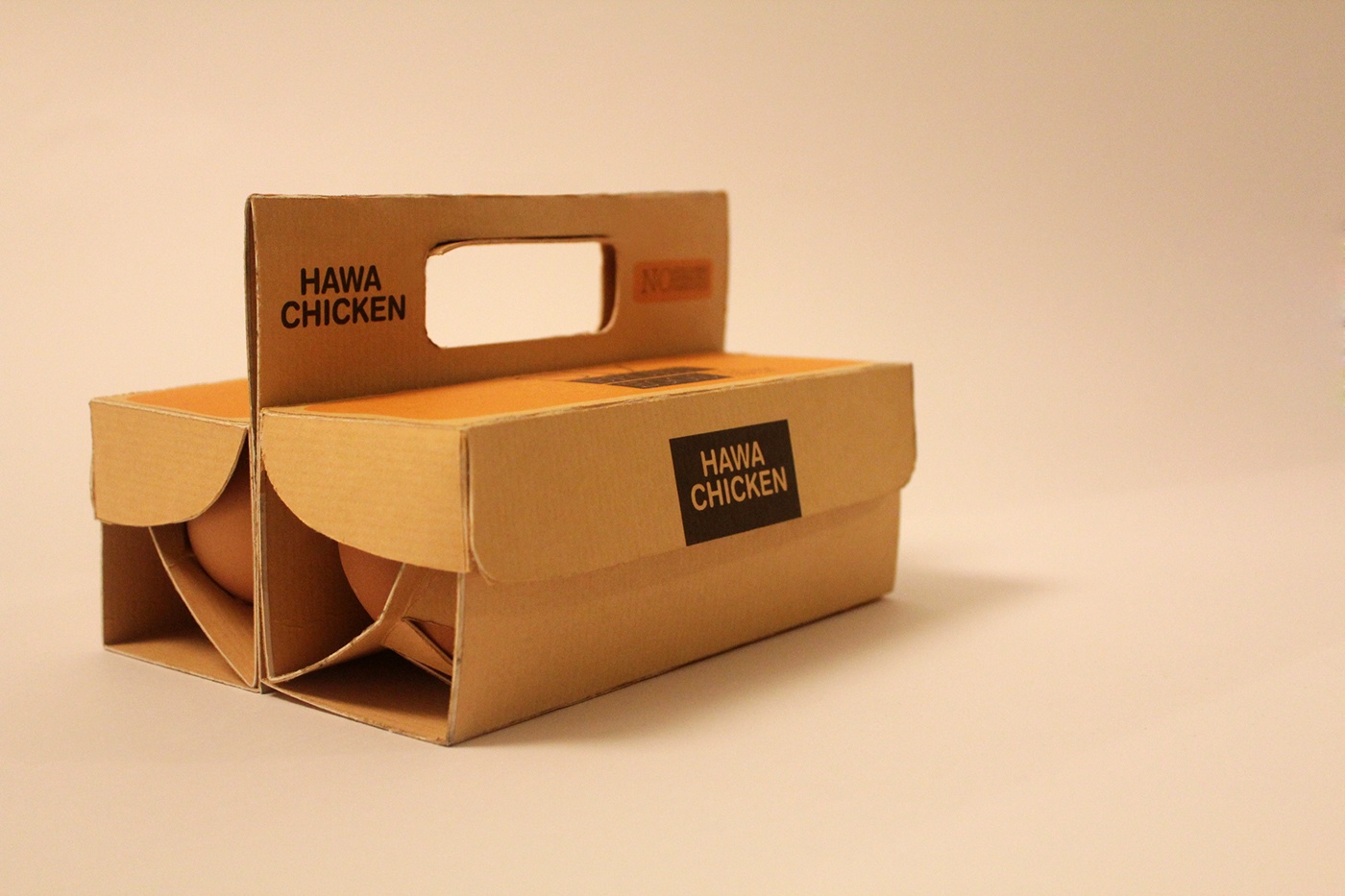
Eco-luxury is changing how brands design packaging today. People now want beauty with responsibility. This shift has made packaging both a design choice and an ethical decision.
The Rise of Eco-Luxury in Modern Packaging
Eco-luxury has grown fast in recent years. Consumers care about the planet more than before. As a result, brands are changing how they custom cardboard boxes present product. Packaging is no longer just a cover. It reflects values and identity.
Luxury once meant heavy materials and glossy finishes. However, this idea is shifting. Today, elegance is shown through simplicity and responsibility. Many companies now choose materials that look refined yet harm less.
Sustainability also builds trust. Customers feel better when they buy from responsible brands. This emotional connection increases loyalty. As a result, eco-luxury is not just a trend. It is becoming a long-term strategy.
Design plays a key role in this shift. Clean layouts and natural tones are now popular. These choices create a calm and premium feel. At the same time, they reduce waste and excess.
Moreover, regulations are becoming stricter. Governments are pushing for greener practices. Therefore, brands must adapt quickly. Eco-friendly packaging helps them stay compliant and competitive.
In addition, social media has amplified awareness. Consumers share their views openly. A brand can gain praise or face criticism instantly. This makes sustainable packaging even more important.
Eco-luxury also supports innovation. Companies explore new materials and methods. They experiment with textures and finishes that feel high-end. Yet, they keep the environmental impact low.
Ultimately, eco-luxury blends beauty with purpose. It proves that premium design does not require harm. Instead, it encourages smarter choices. This balance defines the future of packaging.
What Defines Premium Packaging Today
Premium packaging is no longer about cost alone. It is about experience and perception. A product should feel special from the first touch. Therefore, every detail matters.
Texture is one important factor. Smooth or slightly rough surfaces can add depth. These details create a tactile experience. As a result, the product feels more valuable.
Color choices also influence perception. Neutral tones often signal elegance. Earthy shades suggest sustainability. Together, they create a refined look.
Another key element is structure. Strong and well-shaped packaging protects the product. At the same time, it adds a sense of reliability. Customers appreciate both function and form.
Minimalism has become a strong trend. Simple designs often look more premium. They avoid clutter and focus on essentials. This approach also reduces material use.
Brand storytelling is also important. Packaging should communicate a clear message. It should reflect the brand’s values and mission. This connection builds emotional value.
In the middle of this evolution, Custom Cardboard Boxes have gained attention. They offer flexibility and style. At the same time, they support eco-friendly goals. This combination makes them a strong choice for modern brands.
Finishing techniques also add value. Subtle embossing or matte coatings can enhance appeal. However, brands now prefer eco-safe finishes. This ensures sustainability without losing elegance.
Finally, consistency matters. Packaging should match the brand image. Every product should feel part of a larger story. This unity strengthens brand identity.
Premium packaging today is thoughtful and balanced. It combines beauty, function, and responsibility. This new definition is shaping the future of design.
Materials That Balance Luxury and Sustainability
Materials play a major role in eco-luxury packaging. The right choice can reduce harm while keeping quality high. Therefore, brands must select wisely.
Recycled materials are a popular option. They reduce the need for new resources. At the same time, they maintain good strength and appearance. This makes them suitable for premium use.
Kraft paper is another strong choice. It has a natural look and feel. This gives packaging an organic and authentic appeal. Many brands prefer it for its simplicity.
Biodegradable materials are also gaining attention. They break down naturally over time. As a result, they leave less waste behind. This supports long-term environmental goals.
Plant-based inks are used more often now. They replace harmful chemical inks. These inks are safer for both people and nature. Yet, they still provide rich colors.
Lightweight materials also help. They reduce shipping costs and emissions. This makes the entire supply chain more efficient. At the same time, they can still look premium.
Durability is equally important. Sustainable materials must protect the product well. Otherwise, waste increases due to damage. Therefore, strength cannot be ignored.
Many brands also explore innovative blends. They combine natural fibers with recycled content. This improves both performance and sustainability. It also creates unique textures.
Certifications add credibility. Labels from trusted organizations assure quality. They show that materials meet certain standards. This builds customer confidence.
In the end, material choice defines the balance. It shapes both the look and impact of packaging. With the right approach, luxury and sustainability can coexist.
Design Strategies That Elevate Eco-Friendly Packaging
Design is the bridge between sustainability and luxury. A smart design can make simple materials look premium. Therefore, creativity is essential.
- Minimalist layouts reduce waste and improve clarity
- Neutral and earthy colors create a calm, elegant feel
- Smart folding designs enhance structure without extra materials
- Subtle textures add depth without heavy finishes
First, minimalism plays a big role. Simple designs use fewer resources. At the same time, they look clean and modern. This makes them ideal for eco-luxury.
Color selection also matters. Soft tones create a soothing effect. They also reflect a natural theme. This aligns with sustainable values.
Typography should be clear and refined. Simple fonts improve readability. They also add a touch of elegance. Overly complex fonts are often avoided.
Structural design is another key factor. Clever folding techniques reduce material use. Yet, they maintain strength and usability. This improves both form and function.
Textures can replace heavy decoration. Light embossing or natural grain adds interest. These details feel premium without excess.
Brand messaging should stay honest. Clear communication builds trust. Customers value transparency about sustainability efforts.
Packaging should also be functional. Easy opening and reuse add value. This improves the overall user experience.
Finally, consistency across products strengthens identity. Every design element should align with the brand. This creates a unified and premium look.
Good design proves that less can be more. It shows that elegance does not require excess. Instead, it thrives on thoughtful choices.
Consumer Perception and the Future of Sustainable Luxury
Consumer perception drives the success of eco-luxury. People now look beyond the product itself. They care about how it is presented and produced.
- Buyers prefer brands that show environmental responsibility
- Simple and clean packaging feels more trustworthy
- Reusable packaging adds extra value
- Transparency builds long-term loyalty
Trust is a major factor. Customers want to believe in a brand’s promise. Sustainable packaging helps build that trust. It shows real commitment.
Social influence also plays a role. People share their purchases online. Eco-friendly packaging often gains positive attention. This increases brand visibility.
Younger generations are leading this change. They prioritize sustainability more than older groups. Therefore, brands must adapt to meet their expectations.
Reusability adds another layer of value. Packaging that can be used again feels more premium. It extends the life of the product experience.
Transparency is essential. Brands should clearly explain their choices. This honesty builds stronger connections with customers.
Looking ahead, technology will shape the future. New materials and methods will emerge. These innovations will improve both design and sustainability.
Collaboration will also increase. Brands, designers, and suppliers will work together. This will lead to better solutions and ideas.
Conclusion
Eco-luxury shows that premium packaging and sustainability can work together. Brands no longer need to choose between beauty and responsibility. Instead, they can combine both with smart decisions.
The shift is driven by changing consumer values. People now expect brands to care about the environment. As a result, packaging has become a key part of brand identity. It tells a story about ethics and quality at the same time.
Materials, design, and innovation all play important roles. When chosen carefully, they reduce harm without lowering appeal. Simple designs, natural textures, and thoughtful structures create a refined look. At the same time, they support long-term environmental goals.
Moreover, trust and transparency are now essential. Customers reward brands that act responsibly. This creates stronger loyalty and lasting relationships. In many cases, sustainable packaging even improves the overall product experience.
Looking ahead, the future of packaging is clear. Eco-luxury will continue to grow as awareness increases. New technologies will make sustainable options even better. Brands that adapt early will gain a strong advantage.
0




Leave a Reply