
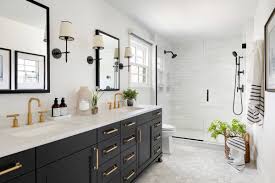
A bathroom renovation is one of the most impactful upgrades you can make to your home. Beyond improving aesthetics, a well-planned remodel enhances comfort, increases property value, and optimizes daily routines. However, achieving a successful outcome requires thoughtful planning, smart budgeting, and attention to both design and technical details. This expert guide walks you through everything you need to know before, during, and after your bathroom renovation.
Planning Your Bathroom Renovation
The foundation of any successful renovation lies in proper planning. Start by identifying your goals: Are you aiming for a modern spa-like retreat, improved storage, or better functionality? Understanding your priorities helps guide design and budget decisions.
Next, assess your current bathroom layout. Consider whether structural changes are necessary, such as relocating plumbing fixtures or expanding the space. While these changes can significantly improve usability, they also increase costs and complexity. Create a realistic budget that includes materials, labor, permits, and a contingency fund for unexpected expenses—typically 10–20% of the total budget.
Choosing the Right Design Style
Expert bathroom renovation should reflect both your personal taste and the overall style of your home. Popular design trends include minimalist modern, classic traditional, rustic, and contemporary luxury. Neutral color palettes with accents of texture and contrast are particularly popular, as they create a timeless look.
When selecting materials, prioritize durability and moisture resistance. Porcelain tiles, quartz countertops, and high-quality fixtures are excellent choices for longevity. Lighting also plays a crucial role—layered lighting with ambient, task, and accent elements enhances both functionality and ambiance.
Optimizing Layout and Space
Efficient space utilization is key, especially in smaller bathrooms. Consider space-saving fixtures such as wall-mounted toilets, floating vanities, and walk-in showers with frameless glass enclosures. These elements create an illusion of openness and improve accessibility.
Storage is another critical aspect. Built-in shelves, recessed niches, and vanity cabinets help keep the space organized without cluttering the design. If space allows, adding dual sinks can improve convenience for shared bathrooms.
Plumbing and Electrical Considerations
Behind every beautiful bathroom is a solid infrastructure. Upgrading plumbing systems ensures reliable water pressure and prevents leaks. If your home has older pipes, replacing them during renovation can save you costly repairs in the future.
Electrical upgrades are equally important. Ensure proper placement of outlets, lighting fixtures, and ventilation systems. Installing energy-efficient LED lighting and water-saving fixtures not only reduces utility bills but also supports sustainability.
Selecting Fixtures and Finishes
Fixtures and finishes define the overall look and feel of your bathroom. Choose faucets, showerheads, and hardware that complement your design style. Matte black, brushed nickel, and polished chrome are popular finish options.
Invest in a high-quality shower system or Nice renovation, as these are focal points of the space. Modern features such as rainfall showerheads, thermostatic controls, and freestanding tubs can elevate the user experience. Don’t overlook small details like mirrors, towel bars, and cabinet handles—they contribute significantly to the final aesthetic.
Hiring Professionals vs. DIY
Deciding whether to hire professionals or take a DIY approach depends on the scope of your renovation. While painting and minor fixture replacements can be handled independently, tasks involving plumbing, electrical work, and structural changes require licensed professionals.
Hiring experienced contractors ensures compliance with building codes and reduces the risk of costly mistakes. It’s advisable to obtain multiple quotes, check references, and review past projects before making a decision.
Managing the Renovation Process
Once the renovation begins, effective project management is essential. Establish a clear timeline and maintain open communication with contractors. Delays can occur due to material shortages or unforeseen issues, so flexibility is important.
Protect other areas of your home from dust and debris by sealing off the renovation zone. Regularly inspect the progress to ensure work aligns with your expectations and agreed specifications.
Budget Control and Cost-Saving Tips
Bathroom renovations can quickly exceed budget if not carefully managed. To control costs, prioritize essential upgrades and consider mid-range alternatives for non-critical elements. Reusing existing fixtures or refinishing surfaces can also reduce expenses.
Shopping during sales, comparing suppliers, and sourcing materials locally are practical ways to save money. However, avoid compromising on quality for critical components like plumbing and waterproofing, as these directly impact durability.
Final Touches and Maintenance
The final stage of renovation involves adding finishing touches that bring the space together. Accessories such as plants, artwork, and coordinated textiles add personality and warmth.
Proper maintenance ensures your newly renovated bathroom remains in excellent condition. Regular cleaning, proper ventilation, and prompt repairs of minor issues help preserve both functionality and appearance over time.
Conclusion
A bathroom renovation is a rewarding investment that combines practicality with design innovation. By carefully planning each stage—from layout and materials to execution and maintenance—you can create a space that meets your needs and enhances your lifestyle. Whether you opt for a simple refresh or a complete transformation, attention to detail and informed decision-making are the keys to achieving a successful and lasting result.
0




Leave a Reply