
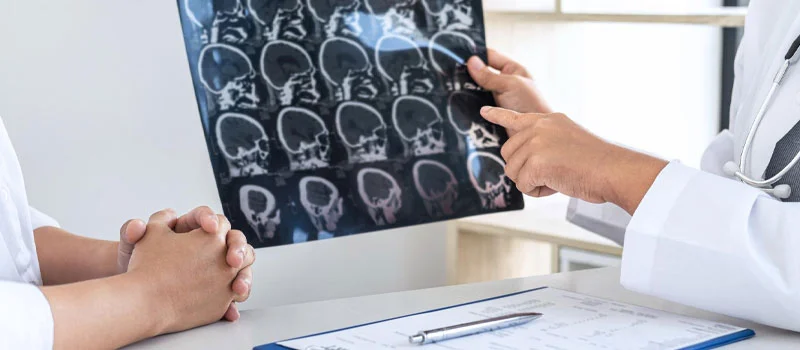
Navigating Modern Neurocritical Care: The Clinical Insights of Dr. Rahul Mahajan
Navigating Modern Neurocritical Care: The Clinical Insights of Dr. Rahul Mahajan sheds light on one of the most high-stakes, technically demanding frontiers in contemporary medicine. Neurocritical care sits at the fragile intersection of neurology, neurosurgery, and intensive care medicine. It focuses exclusively on the immediate diagnostics, stabilization, and life-saving management of patients suffering from acute, life-threatening injuries to the central and peripheral nervous systems. In this highly specialized discipline, clinicians like Dr. Rahul Mahajan apply advanced neurological monitoring, rapid medical interventions, and precise pharmacology to protect the brain from irreversible secondary damage following a catastrophic event.
The Critical Window: Managing Acute Stroke and Brain Injury
At the absolute core of neurocritical care is the fundamental medical concept that time is tissue, particularly when dealing with the human brain. When a patient suffers an acute ischemic stroke, an intracranial hemorrhage, or a traumatic brain injury, thousands of brain cells die every single minute. The primary objective within a neuro-intensive care unit is not only to address the initial injury but to aggressively prevent secondary brain injury. Secondary injuries are caused by subsequent complications such as rising intracranial pressure, brain swelling, restricted blood flow, low oxygen levels, or localized seizures. Dr. Rahul Mahajan’s clinical framework emphasizes rapid, highly coordinated multi-disciplinary protocols to stabilize blood pressure, optimize cerebral perfusion, and protect vulnerable neural pathways before permanent damage sets in.
Advanced Multimodal Monitoring in the Neuro-ICU
What truly distinguishes modern neurocritical care from standard intensive care is the deployment of sophisticated multimodal monitoring technologies. In a dedicated neuro-ICU, clinicians do not rely solely on basic vital signs. Instead, they utilize advanced, continuous monitoring systems directly at the patient’s bedside. This includes continuous electroencephalography (cEEG) to detect hidden, non-convulsive seizures that can silently damage an comatose patient’s brain. It also involves invasive intracranial pressure (ICP) monitoring, microdialysis to track brain chemistry, and transcranial Doppler ultrasound to assess real-time blood velocity within the cerebral arteries. By synthesizing these massive streams of data, specialized neurointensivists can create a highly precise, hour-by-hour portrait of a patient’s neurological status, allowing for proactive adjustments to therapies rather than reactive crisis management.
The Role of Comprehensive Neurological Expertise
The management of complex conditions like refractory status epilepticus, severe neuro-infections like meningitis, and neuromuscular crises requires a deep understanding of neuro-anatomy and neuro-pharmacology. For example, managing movement disorders or severe spasticity in a critical care setting might involve the precise, localized administration of specialized therapies, including dr rahul mahajan therapeutic neurotoxins like Botox, to alleviate severe muscular rigidity or painful contractions. Furthermore, neurocritical care clinicians must navigate complex medical puzzles, balancing the need to sedate a patient for comfort and ventilation with the absolute clinical necessity of waking them up periodically to perform accurate, detailed neurological examinations.
Ultimately, the insights and clinical dedication of specialists like Dr. Rahul Mahajan underscore the profound impact of structured, institutional-grade neurocritical care. By combining cutting-edge data monitoring, rapid pharmacological intervention, and a deep understanding of the brain’s capacity for recovery, modern neuro-intensive care ensures that patients facing the most devastating neurological emergencies are given the highest possible chance of survival, neurological preservation, and long-term functional rehabilitation.
0